6th Grade Elf Squad: Embroidery Design Review
First Impressions: Capturing the Middle School Holiday Spirit
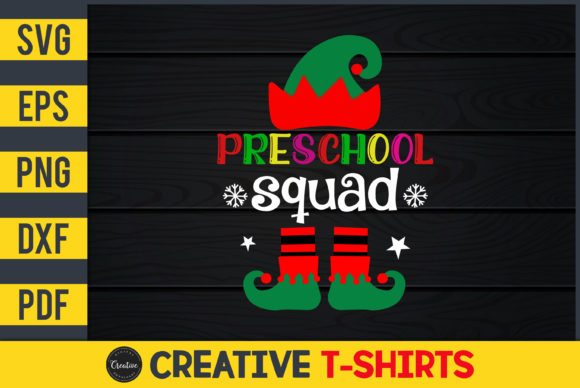
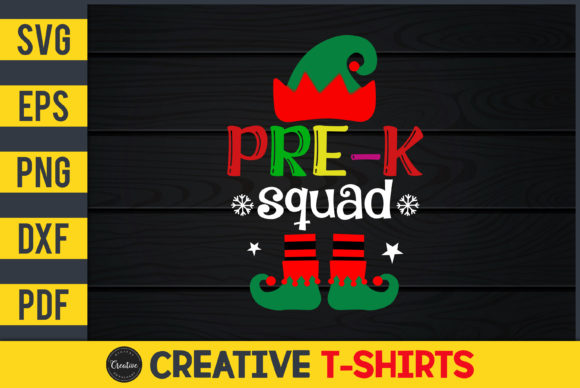
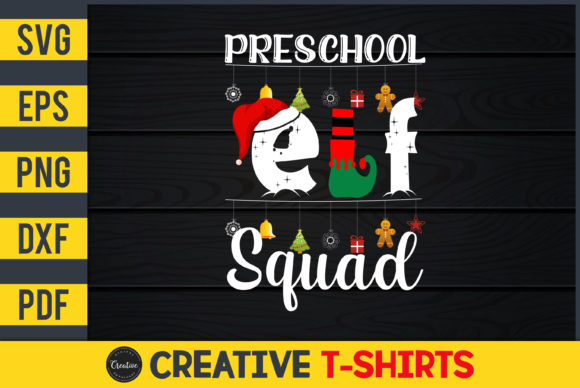
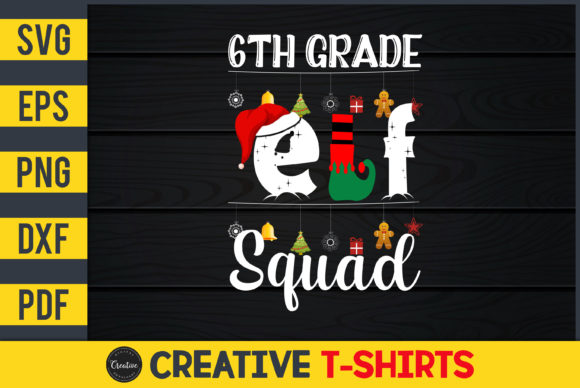
When evaluating a new machine embroidery design for seasonal school projects, I look for more than just cute graphics; I look for structural integrity and marketability. The 6th Grade Elf Squad design immediately strikes a specific chord. It bridges the gap between early elementary whimsy and pre-teen identity. Sixth grade is a transitional year where students are too old for babyish cartoons but still young enough to embrace holiday spirit with enthusiasm. As a designer reviewing this asset, my first impression is that it serves as an excellent niche identifier. The layout suggests a bold, graphic style typical of modern Print Templates and Graphics, which usually translates well to digitized formats because the shapes are distinct rather than overly intricate.
The mood here is communal and spirited. Unlike generic elf designs, adding the "6th Grade" specification turns this into a personalized badge of belonging. For a small business owner or Etsy seller, this specificity is gold. It targets a micro-niche that big-box retailers often ignore. When I visualize this as a finished product, I don't just see a pretty picture; I see a class shirt, a teacher gift, or a graduation-from-elementary keepsake. The visual personality feels energetic and team-oriented, making it ideal for group orders rather than single sales.
Real-World Application: Stitching the Crew Sweatshirt
To truly judge the viability of the 6th Grade Elf Squad file, we have to move beyond the screen and into the hoop. Let’s consider a real-life scenario: creating custom crewneck sweatshirts for a sixth-grade class holiday party. This is a high-stakes project because you are likely producing twenty to thirty identical items, and consistency is paramount.
In this context, the design needs to perform as a center chest placement on fleece or cotton-blend fabric. Fleece has a pile that can swallow fine details, so I am looking for adequate stitch density in the digital file. If the original SVG or PNG source has thin lines, they must be digitized with sufficient underlay to prevent sinking. For this sweatshirt project, I would treat the text elements with a sturdy satin stitch border or convert them to a dense fill stitch if the lettering is blocky. The "Elf Squad" portion acts as the anchor, while "6th Grade" provides the customization point.
If you are adapting this from a vector cutting file into an embroidery file, pay close attention to the negative space. In vinyl cutting, negative space is empty; in embroidery, it is fabric. Ensure the digitizing accounts for the background color of the sweatshirt. A white elf hat on a red sweatshirt requires different stabilization and underlay than a red hat on a white sweatshirt to prevent show-through. This design’s strength lies in its potential for color-blocking, allowing makers to offer multiple variations from a single base concept.
Navigating Fabric Challenges and Hoop Limitations
While the 6th Grade Elf Squad theme is versatile, not every substrate is a safe bet. As an experienced reviewer, I must highlight where caution is necessary. This design likely contains text, which is the most unforgiving element in machine embroidery.
- Textured Fabrics: Avoid using this design on terry cloth towels or heavy knit blankets without a water-soluble topping. The detail in the "6th Grade" lettering will get lost in the loops of the fabric.
- Stretchy Performance Wear: If applying this to moisture-wicking athletic gear, the stabilizer choice is critical. Use a cutaway stabilizer to prevent the design from distorting when the garment stretches. A tear-away will result in puckering around the dense elf graphics.
- Small Hoop Sizes: Be wary of resizing this design down for baby onesies or sleeve cuffs. Reducing a design that includes specific grade-level text often renders the letters illegible. If your hoop size is smaller than 4x4 inches, verify that the text height remains above 0.25 inches after scaling.
- Curved Surfaces: Placing this on a structured cap requires careful alignment. The horizontal line of "6th Grade" must follow the curve of the hat brim, or it will look crooked. Test the arc setting in your software before stitching on expensive headwear.
Furthermore, consider the washability. School apparel gets laundered frequently. Ensure the thread colors selected are colorfast and that the stitch connections are secure. Loose jump stitches in a complex graphic like this can snag in washing machines, ruining the handmade product and damaging your reputation.
Commercial Value and Brand Consistency for Sellers
For the creative entrepreneur, the value of 6th Grade Elf Squad extends beyond a single sale. It represents a scalable product line. Because the design targets a specific demographic, it builds immediate trust with buyers searching for age-appropriate holiday gear. Parents and teachers want products that acknowledge the child's current stage of development.
When listing this as a custom apparel item or a digital download, presentation matters. Use printable mockups to show how the design looks on different colored garments. Since the source files include SVG and PNG formats, you can easily create cohesive branding across your shop. However, always clarify what the customer receives. If you are selling the physical embroidered item, emphasize the quality of the stitching and the durability of the materials. If you are selling the digital embroidery file, be transparent about the format compatibility. Not all machines read the same files, and customers need to know if they are getting a PES, DST, JEF, or EXP file derived from the original graphics.
This design also offers opportunities for bundling. Pair the "6th Grade Elf Squad" with matching teacher designs or parent versions to increase average order value. The cohesive aesthetic strengthens brand recognition and makes your shop the go-to source for that specific school community’s holiday needs.
Designer Notes: Testing Before You Sell
Before listing any product featuring 6th Grade Elf Squad, run through this practical checklist to ensure professional results:
- Verify Source Compatibility: The product description lists SVG, PNG, PDF, DXF, and EPS for cutting machines. Confirm whether an actual embroidery format (like PES or DST) is included or if you must digitize the vector file yourself. Never assume a cutting file is stitch-ready.
- Stitch Out on Scrap: Always test on the exact fabric you intend to sell. Check for registration issues where the outline meets the fill. Adjust pull compensation if gaps appear.
- Contrast Check: View the design in black and white during the editing phase. If the details disappear without color, the contrast relies too heavily on thread shade rather than stitch definition. Add texture or shading stitches to improve clarity.
- Licensing Confirmation: Review the terms of use carefully. Just because you bought the file does not mean you have commercial rights to sell the digitized version or mass-produce the physical item. Respect the original artist’s intellectual property.
- Mockup Reality: Compare your digital mockup against the actual stitched sample. Customers appreciate honesty. If the real stitch-out has a slight texture difference from the flat graphic, mention it as a feature of handmade craftsmanship.
Ultimately, 6th Grade Elf Squad is a promising asset for those willing to apply technical diligence. It captures a joyful, specific moment in childhood that resonates deeply with buyers. By treating it with professional care—respecting fabric limitations, ensuring legibility, and verifying file integrity—you transform a simple graphic into a cherished personalized gift or a best-selling boutique item. Whether used for a tote bag design, a sweatshirt embroidery project, or a festive patch, success lies in the execution. Happy stitching!