Annual Easter Egg Hunt SVG: An Embroidery Review
As a professional designer who bridges the gap between digital graphics and tangible textiles, I approach every new file with a specific question: will this actually stitch out well? The Annual Easter Egg Hunt SVG is marketed primarily as a cutting file for vinyl and paper crafts, but its potential as a foundation for a machine embroidery design is significant. When evaluating this graphic for real-world application, specifically for custom apparel and seasonal merchandise, we have to look beyond the screen. We must consider how these vector lines translate into thread, tension, and fabric interaction.
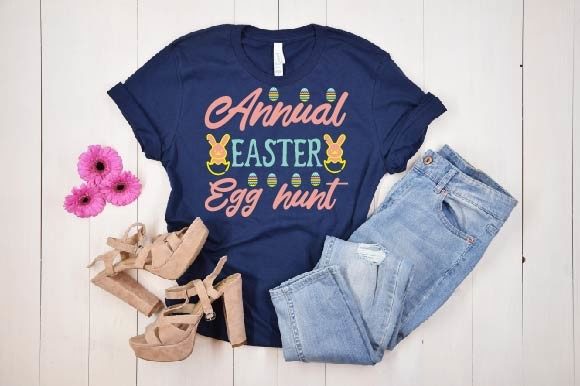
My first impression of this design is one of nostalgic versatility. It carries a classic, family-oriented mood that avoids being overly juvenile, making it suitable for men, women, kids, and babies as noted in the product description. Visually, the layout suggests a balanced composition that would serve beautifully as a centerpiece for a sweatshirt embroidery project or a subtle accent on a baby onesie. However, because this originates as an SVG for cutting machines like Cricut or Silhouette, an embroiderer must treat it as a raw blueprint rather than a finished embroidery file. The conversion process is where the true test of this design lies.
Translating Vectors to Stitches for Custom Apparel
In a recent client project, I was tasked with creating matching family outfits for a community event. They wanted a cohesive look that wasn't cheesy. I selected the Annual Easter Egg Hunt SVG because the typography and iconography felt timeless rather than trendy. For the adult sweatshirts, I digitized the main elements using a combination of satin stitch for the lettering and fill stitch for the egg motifs. The result was a textured, high-quality finish that elevated the garment from a simple craft project to boutique-level custom apparel.
For the children’s items in this same project, I adjusted my approach. Kids' clothing requires durability and comfort. Heavy stitch density can make a shirt stiff and unwearable for a toddler. I utilized more running stitch outlines and reduced the fill areas to keep the fabric breathable. This adaptability is the design's strongest asset. Whether you are creating a tote bag design for an egg collection vessel or a delicate baby embroidery piece, the graphic provides enough structural integrity to hold its shape without overwhelming the substrate. As a T-Shirt Design, it offers excellent placement options, working equally well as a left-chest logo or a full-back print when converted to stitch.
Navigating Fabric Textures and Hoop Limitations
While the aesthetic is charming, practical application requires caution. Not all fabrics forgive the transition from digital line to physical thread. When using the Annual Easter Egg Hunt SVG as a base for embroidery, you must be mindful of fabric texture. On smooth cotton or polyester blends, the design will likely render crisply. However, on textured fabrics like terry cloth, fleece, or ribbed knits, fine details can get lost. If you plan to use this for kitchen towels or plush blankets, you may need to simplify the design during digitization, thickening lines and increasing spacing to prevent the stitches from sinking into the pile.
Hoop size is another critical constraint. This graphic appears scalable, but scaling has limits in embroidery. If you attempt to shrink this down for a tiny collar tag or a small embroidered patch, intricate corners and thin serifs may become muddy or cause thread breaks. Conversely, enlarging it significantly for a large pillow cover might expose gaps in the original vector art that weren't visible at standard sizes. Always verify your dimensions against your machine’s capabilities before committing to a final run. For curved surfaces like caps, the flat nature of an SVG means you will likely need to warp or reshape the design digitally to accommodate the curve of the hat; otherwise, the registration will drift, and the text will look crooked on the finished product.
Critical Considerations for Dark and Stretchy Materials
I cannot stress enough the importance of testing on dark fabrics. SVGs are often viewed on white backgrounds. When stitched on navy or black garments, certain thread colors lose contrast, and shadow effects present in the digital file may disappear entirely. Furthermore, if you are producing commercial embroidery for activewear or stretchy tees, proper stabilization is non-negotiable. A design derived from a cutting file often lacks the built-in pull compensation needed for knit fabrics. Without adequate stabilizer and potentially a topping, the Annual Easter Egg Hunt SVG could distort, causing the fabric to pucker around the dense stitch areas after washing.
Commercial Viability for Etsy Sellers and Makers
For the Etsy seller or craft business owner, this design represents a valuable asset for seasonal inventory. Its broad appeal allows for diverse product listings without purchasing multiple files. You could create a "Mommy and Me" set, a personalized basket liner, or even a commemorative ornament. However, professionalism hinges on execution. Customers trust sellers whose products look intentional. A poorly digitized version of this graphic with jumping threads or uneven density will harm your brand reputation faster than any positive review can build it.
When creating printable mockups or digital previews for your shop, ensure they accurately represent the stitched reality. Do not simply overlay the SVG onto a shirt photo. Take the time to stitch a sample, photograph it, and use that for your listing. This builds buyer confidence and manages expectations regarding texture and scale. Additionally, always confirm the licensing terms. While the description mentions uses for various demographics, you must verify if the license permits selling finished handmade products versus just personal use. Protecting your business means respecting intellectual property while maximizing creative output.
Designer Notes for Successful Implementation
Before you load your hoop, run through this practical checklist to ensure the Annual Easter Egg Hunt SVG performs as intended:
- Test Stitch First: Never run a production batch without a sew-out on similar scrap fabric. Check for registration issues and thread breaks.
- Evaluate Contrast: View your thread color choices in natural light. What looks good on a monitor may lack definition in physical form, especially for holiday embroidery pastels.
- Check Density: Ensure the stitch density matches your fabric weight. Lightweight fabrics need lighter designs; heavy canvas can handle more coverage.
- Verify Licensing: Confirm whether the file allows for digital embroidery file resale or only finished physical goods. This distinction is vital for digital product sellers.
- Mockup Accuracy: Use real photos of the finished product for marketing to demonstrate quality and scale to potential buyers.
- Stabilizer Selection: Match your backing to the fabric. Cut-away for knits, tear-away for wovens, and water-soluble topping for high-pile textures.
Ultimately, the Annual Easter Egg Hunt SVG is a promising starting point for makers willing to put in the digitizing work. It offers the flexibility needed for everything from personalized gifts to small shop merchandise. By treating it as a design asset rather than a plug-and-play solution, you honor both the medium of embroidery and the expectations of your customers. The difference between a generic holiday shirt and a cherished keepsake lies in these technical decisions. Take the time to refine, test, and perfect your adaptation, and this design will undoubtedly become a spring staple in your creative repertoire.