Keep Calm I'm a Medical Assistant: Design Review
As a designer who has digitized and stitched out countless medical profession designs, I approach the "Keep Calm" genre with a healthy dose of skepticism. We have all seen this meme format overused to the point of visual fatigue. However, when evaluating Keep Calm I m a Medical Assistant for actual production use, my perspective shifts from trend-watching to practical application. This specific graphic falls under Print Templates and Graphics categories, but for us in the embroidery world, its value lies entirely in how well it translates from a digital SVG into physical thread on fabric.
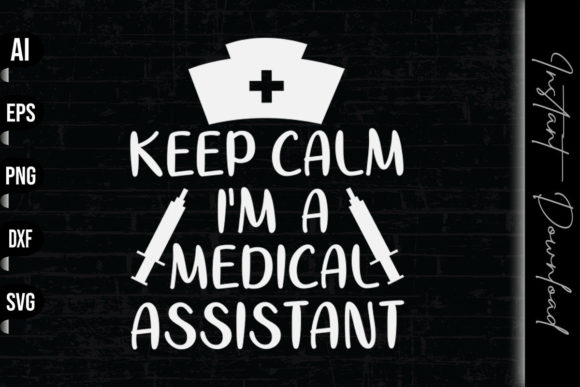
My first impression of this design is that it relies heavily on typography and negative space rather than complex illustrative elements. For an embroidery project, this is generally a positive indicator. The layout suggests a clean hierarchy that should digitize predictably. The mood is professional yet approachable, striking a balance that medical assistants often need in their workwear or personal items. It does not feel chaotic, which means the stitch pathing should be logical, reducing jump stitches and production time during commercial embroidery runs.
Real-World Application: The Clinic Tote Bag Test
To truly evaluate this machine embroidery design, I mentally placed it in a specific scenario: creating a custom embroidered tote bag for a local clinic’s new hire orientation. Medical assistants carry heavy loads—literally and figuratively—and a tote bag is a high-utility item. In this context, Keep Calm I m a Medical Assistant needs to be legible from a distance and durable enough to withstand friction against scrubs and equipment.
For this sweatshirt embroidery or tote bag design application, the bold sans-serif lettering typical of this style works in our favor. If I were stitching this out, I would likely opt for a dense satin stitch for the main text to ensure crisp edges against the canvas texture of a tote. However, because the phrase is long, I would be cautious about stitch density. A solid block of satin stitch across a wide area can cause fabric puckering, especially on lighter weight bags. This is where reviewing the digital embroidery file before hooping becomes critical. I would check if the designer utilized fill stitch or split satin techniques for the wider letters to maintain stability without creating a bulletproof patch on the bag.
The visual personality here is reassuring. For a personalized gift or small shop product targeting healthcare workers, the design communicates solidarity. It acknowledges the stress of the job while offering a moment of levity. When selling finished products on Etsy or at craft fairs, this emotional connection is what converts browsers into buyers. They aren't just buying a bag; they are buying recognition of their professional identity.
Navigating Fabric Limitations and Hoop Constraints
While the design is versatile, it is not immune to the physics of needle and thread. As an experienced reviewer, I must highlight where Keep Calm I m a Medical Assistant requires careful handling. The most significant risk lies in small hoop sizes. If you attempt to shrink this design down for a baby embroidery project or a left-chest logo on a polo, the internal counters of letters like 'A', 'e', and 'o' may close up during stitching.
Text-heavy designs demand respect for minimum height requirements. Before committing this embroidery file to a stretchy fabric like a performance tee or scrub top, you must verify the smallest legible size. On textured fabrics like terry cloth towels or fleece hoodies, the fine details of any accompanying icons could get lost. In these cases, using a water-soluble topping is non-negotiable to prevent the stitches from sinking into the pile. I would also advise against using this design on curved surfaces like caps unless the file has been specifically digitized for cap framing; the horizontal span of the text can distort on a curved brim, making the "Medical Assistant" line appear arched or uneven.
Furthermore, consider the washing factor. Medical apparel and accessories face industrial laundering and frequent sanitization. Running stitch outlines, while trendy and lightweight, may not hold up as well as satin borders over time. If this design asset is intended for daily-wear custom apparel, prioritize structural integrity over delicate aesthetics. Check the thread colors against dark fabrics as well; white text on navy scrubs offers excellent contrast, but pastel variations might require a white underlay base to pop effectively and prevent the fabric color from bleeding through the stitches.
Commercial Viability and Brand Consistency
For Etsy sellers and creative entrepreneurs, Keep Calm I m a Medical Assistant represents a safe, searchable niche. However, market saturation is real. To make your handmade product stand out, focus on execution quality. A perfectly registered design with smooth satin columns and no stray jumps signals professionalism. Buyers trust sellers who understand that a digital preview looks different than a finished product. Your listing photos should show the actual stitch-out, not just a printable mockup, to build that trust.
When incorporating this into boutique branding or merchandise lines, consistency is key. If you offer this as part of a collection, ensure the font weights and spacing match your other medical-themed graphics. This design assets package includes an SVG, which is excellent for vinyl cutting or sublimation, but remember that embroidery requires specific digitizing. Do not assume an auto-digitized conversion of the print template will yield professional results. Always inspect the stitch file in your editing software first.
From a licensing perspective, always confirm whether your purchase allows for commercial embroidery of finished goods versus selling the digital file itself. Most designers permit the former but strictly prohibit the latter. Respecting these terms protects your business reputation and supports the design community. Additionally, test the design in black and white mockups to ensure the value structure holds up even without color contrast. This helps determine if the design relies too heavily on color changes or if the form itself is strong enough to carry the visual weight.
Practical Designer Notes for Success
Before you load Keep Calm I m a Medical Assistant into your machine for a client order or holiday embroidery batch, run through this practical checklist derived from years of production experience:
- Stabilizer Selection: Match your stabilizer to the fabric weight. Use cut-away for knits and stretchy scrubs to prevent distortion, and tear-away only for stable woven fabrics like canvas totes.
- Thread Contrast Test: Stitch a sample on the exact fabric you intend to use. Screen brightness is deceptive; physical thread on fabric tells the truth about readability.
- Density Check: Inspect the file for overly dense areas where multiple text layers overlap. Reduce density if necessary to prevent needle breaks or fabric damage.
- Hoop Size Verification: Ensure you have adequate margin around the design within the hoop. Crowding the edges leads to registration errors and tension issues.
- Licensing Confirmation: Re-read the included license file in your zip download. Verify if attribution is required for commercial sales or if there are limits on the number of physical units sold.
- Mockup Reality Check: Compare your digital proof against a physical test stitch. Adjust pull compensation settings based on how much the fabric draws in during actual stitching.
Ultimately, Keep Calm I m a Medical Assistant is a functional, relevant design for the right maker. It serves a specific audience with clarity and purpose. By treating it as a technical embroidery project rather than just a cute graphic, you elevate the final result from a generic meme to a cherished, professional-grade accessory. Whether you are crafting a personalized gift for a colleague or stocking your shop with best-selling medical apparel, success comes from respecting the interplay between digital art and textile reality. Take the time to test, adjust, and refine, and this design will serve your business and your customers beautifully.